The Collector Car Market Just Set A $1 Billion Overall Record
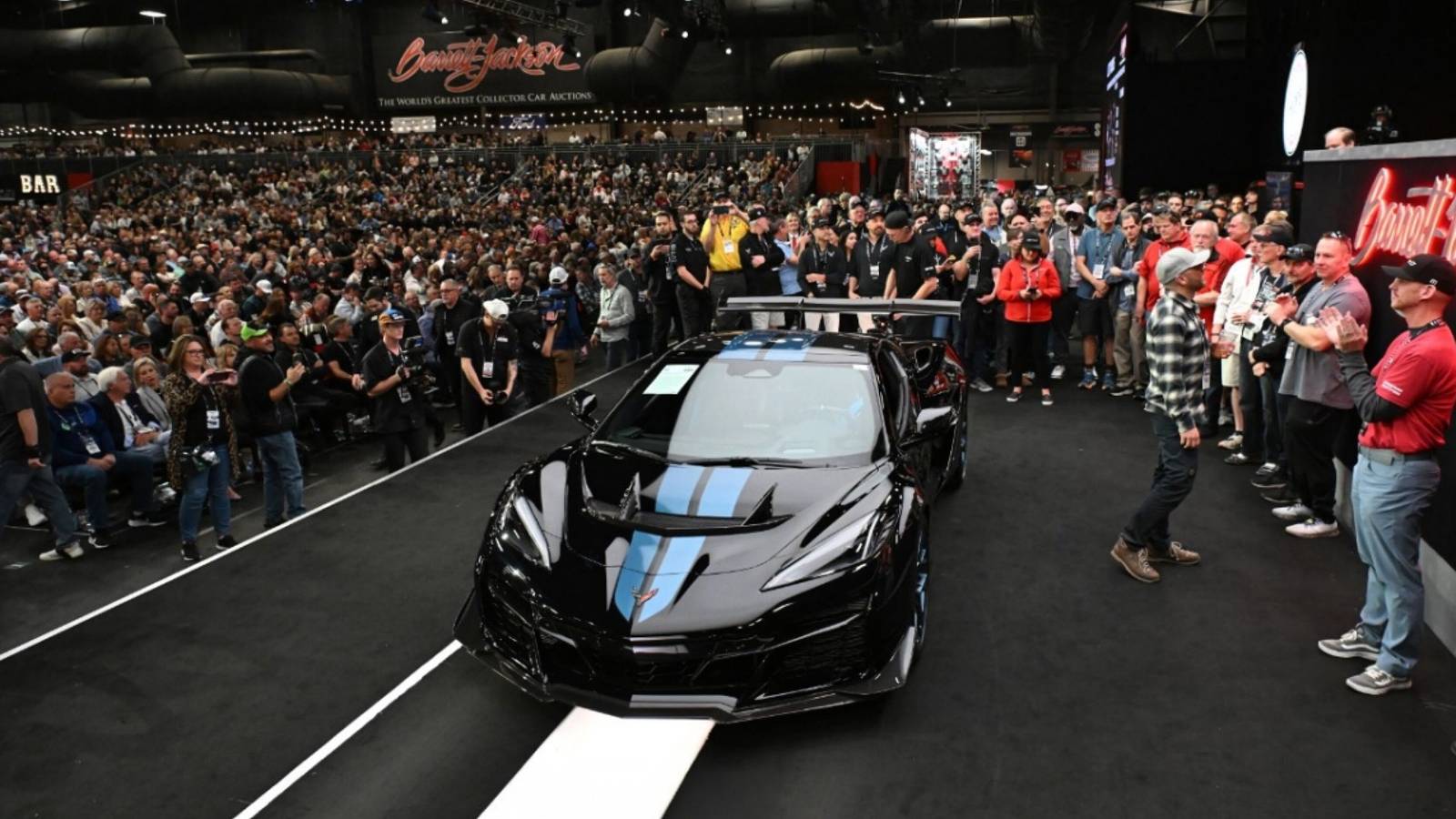
It’s never been a better time for sales of specialty and collector cars valued at more than $1 million, judging by the past year’s auction results. According to numbers crunched by Hagerty, total auction sales for seven-figure cars in 2025 cracked the $1 billion mark for the first time – with the average price paid being $3 million, which was also a record.
That strength at the top end of the market comes with a note of concern. The insurance specialist for collector cars also analyzed the demographics of buyers applying for its policies and found that the number of younger buyers declined sharply in 2025 after several years of steady growth.
Europe Still Dominates

|
Top 10 Auction Results In 2025 |
||
|---|---|---|
|
Model |
Price |
Auction location |
|
1954 Mercedes-Benz W 196 R |
$53 million |
Europe |
|
1964 Ferrari 250 LM |
$35.9 million |
Europe |
|
2025 Ferrari Daytona SP3 (Charity) |
$26 million |
US |
|
1994 McLaren F1 |
$25.3 million |
UAE |
|
1961 Ferrari 250 California |
$25.3 million |
US |
|
2026 GMSV S1 LM |
$20.6 million |
US |
|
2001 Ferrari F2001 |
$18.2 million |
Europe |
|
1966 Ford GT40 |
$13.2 million |
US |
|
2026 McLaren MCL40A |
$11.5 million |
UAE |
|
1993 Ferrari F40 LM |
$11 million |
US |
Auction location doesn’t matter as much as it once did, thanks to real-time information flowing instantly across borders. Still, Europe – long the epicenter of the world’s most expensive collector cars – continues to live up to its reputation. The year’s top result was a 1954 Mercedes-Benz W196 race car driven by both Juan Manuel Fangio and Stirling Moss, which sold at an auction held at the Mercedes-Benz Museum in Stuttgart, Germany.
The US recorded the third-most-expensive sale of the year with a Ferrari Daytona SP3, though that result came from a charity auction, which typically attracts above-market bidding. Ferrari built one more example of the V12 supercar than the originally planned run of 599 units, and the final hammer price made it the most expensive new Ferrari ever sold. Proceeds were donated to a US-based foundation supporting educational initiatives.

While live auctions still command the spotlight for the very highest-dollar cars, the broader market has decisively shifted online. Internet-based auctions had already overtaken live sales last year, totaling $2.22 billion versus $2.11 billion, but the gap widened in 2025. Online auctions reached $2.5 billion in total sales, compared with $2.3 billion for live events, and the divide is expected to grow further. That trend comes as little surprise: online auctions tracked by Hagerty now move more than 50,000 cars annually, up 6% year over year, while live auction volume remained flat at roughly 21,000 cars sold.

10 Supercars And High-End Sportscars That Have Become Relatively Affordable
You’ve dreamt about them – and now you could possibly own them. Here are 10 supercars that no longer cost the earth.
A Pause For Concern

While the average age of cars priced over $1 million at auction is getting younger – 1984 representing the average model year in 2025, a full 12 years younger than just five years ago – the trend among buyers tells a different story. The proportion of older buyers interested in collector cars increased over the past year, while younger buyers declined, marking a notable shift.
Hagerty reports that the proportion of Gen X (born 1965-81), Millennial (1982-97), and Gen Z (1997-2012) customers in its insurance policy quotes had been steadily rising over the past five years. In 2025, however, all three younger generations saw declines, while Baby Boomers (1946-64) increased their share. Millennials saw the steepest drop, falling from 21% to 19%.
This may reflect Millennials entering the age of homeownership, a life stage that typically puts a damper on expensive hobbies like collecting cars. For sellers, that means if you’re considering parting with a collector car that appeals to this demographic – think 1970s- and 1980s-era SUVs or JDM icons – you may need to temper expectations. Bids could be lower than in previous years, or, if possible, you might consider holding off and waiting for a more favorable market before selling.
Source: Hagerty
link