From Cradle to Grave, Electric Vehicles Reduce Climate Pollution
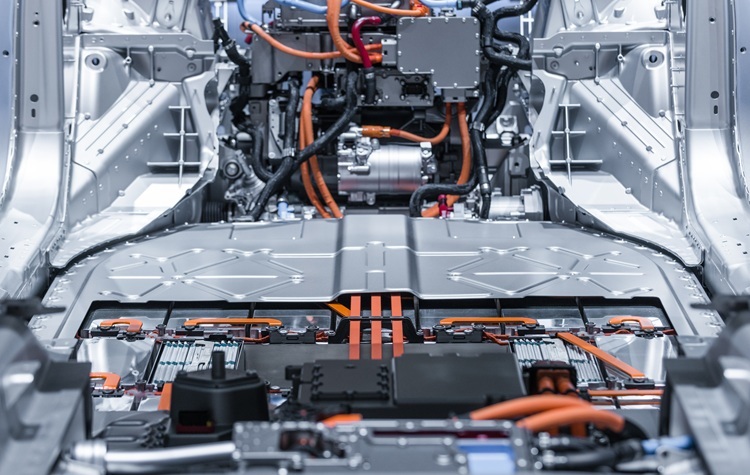
One of the most oft-repeated criticisms of electric vehicles is the amount of emission and pollution exhausted in the process of making and disposing of the batteries that power them, as opposed to the technology that fuels combustion engine vehicles. So even though hybrid and electric vehicles create much less emissions during use of the car, are they really more climate-friendly?
A new “cradle-to-grave” analysis that studied emissions numbers not just from driving vehicles, but also from making and disposing of them gives an unequivocal answer: yes.
The study, by researchers at the University of Michigan and the U-M Electric Vehicle Center, estimates emissions per mile driven across 35 different combinations of vehicle class and powertrains, including conventional internal combustion engines, hybrid electric, plug-in hybrids, and fully electric, or battery electric. In addition, the researchers also considered vehicle class (pickup, sedan or SUV), driving behavior and location.
Driving behavior included not just highway versus city driving, but also more modern considerations, like location of the vehicle and how often drivers of plug-in hybrids were driving on battery power versus gasoline.
Location affects emissions in two ways, according to the researchers. First, all vehicles—especially battery electric vehicles and plug-in hybrids—use more fuel at lower temperatures and have lower range in locations with lower temperatures. Second, power grid emissions vary by location, so charging EVs in a county with a cleaner grid would emit less greenhouse gas.
Overall, the study showed battery electric vehicles have lower emissions over their lifetime than any other vehicle type—regardless of location within the contiguous U.S. Specifically, battery electric vehicles made for 200 miles boasted the lowest emissions, as the emissions associated with producing batteries for vehicles with longer ranges bumped up their lifetime greenhouse gas contributions.
Unsurprisingly, pickup trucks with conventional internal combustion engines were the highest emission emitters at 486 grams of carbon dioxide equivalent—a measure of greenhouse gas emissions—per mile. Switching to a hybrid pickup would reduce that by 23%, while a fully electric pickup represented a 75% drop. Additionally, the team noticed a stark difference in emissions when the pickup was hauling weight. A battery electric pickup truck carrying 2,500 pounds still emitted less than 30% of an internal combustion engine pickup with no cargo.
In addressing all these variables in a single study, the researchers could make comparisons of emissions from different vehicles in an apples-to-apples way.
“While EVs are driving into headwinds from a federal policy standpoint, the industry is committed to electrification,” said Greg Keoleian, senior author of the new study and a professor at the U-M School for Environment and Sustainability. “The original equipment manufacturers are heavily invested and focused on the technology and affordability of EVs. EVs are becoming the dominant powertrain in other parts of the world and manufacturers recognize that is the future for the U.S.”
The researchers created a free online calculator that lets drivers estimate greenhouse gas emissions based on what they drive, how they drive and where they live.
“Vehicle electrification is a key strategy for climate action. Transportation accounts for 28% of greenhouse gas emissions and we need to reduce those to limit future climate impacts such as flooding, wildfires and drought events, which are increasing in intensity and frequency,” said Keoleian.
link