Cars That Went From Sales Disasters To Automotive Icons
Automotive icons aren’t always appreciated in their own time. Some, like the Ferrari F355 or BMW E46 M3, got universal praise straight out of the box, but other motoring legends took a bit longer to gain widespread acceptance. Shaping and predicting customer needs is always a tricky business. An edgy new body style, different engine design, or even a name change can sometimes leave an automaker with a car that customers just don’t get.

Sometimes the market changes overnight, leaving prospective buyers without the funds to make good on their purchases. In other cases, a design may be too far ahead of its time. We found 10 cars that were sales disasters due to these factors when new, but have since become desirable icons, some to their inherent greatness, others despite it.
To qualify for this list, vehicles had to have been a tough sell when new, but later became highly desirable and/or cult classics. All data was sourced from the relevant manufacturer. The list is alphabetically ranked.
10
Aston Martin Lagonda
1974-1990
|
1974 Aston Martin Series 1 |
|
|---|---|
|
Engine |
5.3-liter V8 |
|
Power |
280 hp |
|
Torque |
301 lb-ft |
|
0-60 mph |
7.9 seconds |
The 1970s Aston Martin Lagonda looks like a car designed for a future that never materialized. The wedgy design language was popular during that era, and was also seen on the Lotus Esprit, Lancia Stratos and most famously, the Lamborghini Countach. Aston Martin, however, was a past master at upmarket grand tourers, with stunning but far more traditional bodywork.
Aston’s customers weren’t convinced that the Lagonda was their vision of the marque’s future, and just 645 cars were produced over a 16-year production run. The car’s woeful reliability and temperamental digital dashboard (a world first) didn’t help much either. These days, their rarity and crazy styling make them highly desirable classics, with mint examples selling for over $100,000. Horribly neglected ones, meanwhile, are being converted into EVs…
9
BMW M1
1978-1981
|
1978 BMW M1 |
|
|---|---|
|
Engine |
3.5-liter Inline-6 |
|
Power |
273 hp |
|
Torque |
243 lb-ft |
|
0-60 mph |
6 seconds est |
While the very first M car may have been the 530 MLE, the M1 that followed a year later was the first to wear the coveted M badge, and it looked and drove like an exotic supercar. Developed to go racing, it was a mechanical masterpiece, but design delays and production issues saw it arrive later than expected. Pricing was also ambitious for an automaker that had till now, focused mostly on sporty family sedans.
The end result was a short production run of just three years, during which 453 cars were built. Of course, with the subsequent M models cementing BMW’s place as one of the world’s top sports car manufacturers, an M1 today is one of the most valuable BMWs you can buy.
8
DeLorean DMC-12
1981-1983
|
1981 DeLorean DMC-12 |
|
|---|---|
|
Engine |
2.85-liter V6 |
|
Power |
128 hp |
|
Torque |
162 lb-ft |
|
0-60 mph |
8.8 seconds (claimed) |
You don’t have to be a car fan to recognize the DeLorean DMC-12. It gained immortality in the Back to the Future movies, but in real life, it would have struggled to get up to 88 mph, let alone perform smoky burnouts at the prod of the throttle. The DMC-12 may have looked like a supercar, but its underpowered 2.8-liter V6 gave it less-than-ideal performance.
Early interest in the car was sky-high, but customer interest soon dropped, and that, allied to over-production and a looming recession, saw the company go out of business with just 9,000 cars built. Tidy examples are sought after these days, and some owners have even converted their cars into time-machine clones complete with flux capacitor.
7
Ferrari Dino 206/246
1967-1974
|
1970 Ferrari Dino 246 GT |
|
|---|---|
|
Engine |
2.4-liter V6 |
|
Power |
192 hp |
|
Torque |
166 lb-ft |
|
0-60 mph |
7 seconds est |
The Dino 206 arrived in 1967 as an entry-level model to slot in below the marque’s traditional front-engined V12 models. Its mid-engined 2.0-liter V6 was considered a bit underpowered, and it was replaced by a 2.4-liter version in 1969. Ferrari traditionalists still didn’t consider it to be a ‘true’ Ferrari, and the manufacturer itself never put a Ferrari badge on it.
In hindsight, the 206 and 246 have proven to be some of the best handling and most beautiful Ferraris of this era, and perfect examples have sold for over $600,000 in recent years.
6
Ferrari 365 GT4 2+2/400/412
1972-1989
|
1973 Ferrari 365 GT4 2+2 |
|
|---|---|
|
Engine |
4.4-liter V12 |
|
Power |
335 hp |
|
Torque |
n/a |
|
0-60 mph |
7 seconds est |
The Ferrari 365 GT4 2+2 was another 1970s car that embraced the wedge styling fad, and as a result, it looked nothing like any of the marque’s earlier models. Designed to replace the 365 GT 2+2, it was larger and more luxurious, but customers weren’t convinced by its design language.
Ferrari persisted, and the 400 that followed looked nearly identical. It was also the first Ferrari ever to feature an automatic transmission, a 3-speed unit sourced from GM. The 400i and 412 followed, both continuing the wedge theme. In all, 2,907 of all variants were produced. These cars are now desirable and valuable left-field alternatives to the more traditional Ferraris from the era, and those once edgy looks have aged rather well.
5
Jaguar XJ220
1992-1994
|
1992 Jaguar XJ220 |
|
|---|---|
|
Engine |
3.5-liter twin-turbo V6 |
|
Power |
542 hp |
|
Torque |
475 lb-ft |
|
0-60 mph |
3.6 seconds est |
One way to limit sales of your upcoming supercar is to promise your clients a V12, take hundreds of deposits, then deliver a turbocharged V6 instead. While that is the one-line summation of the Jaguar XJ220’s development, it explains why fewer than 300 cars were built, with many remaining unsold for years after production ended.
The XJ220 was stunning though, and immensely quick, but it was too big and contemporary road testers found it hard to drive at the limit. After years of depressed values, the XJ220 is once again in the limelight, with prices rising from the low $200,000 mark to almost $1,000,000 in recent years.
4
McLaren F1
1992-1998
|
1993 McLaren F1 |
|
|---|---|
|
Engine |
6.1-liter V12 |
|
Power |
627 hp |
|
Torque |
479 lb-ft |
|
0-60 mph |
3.2 seconds |
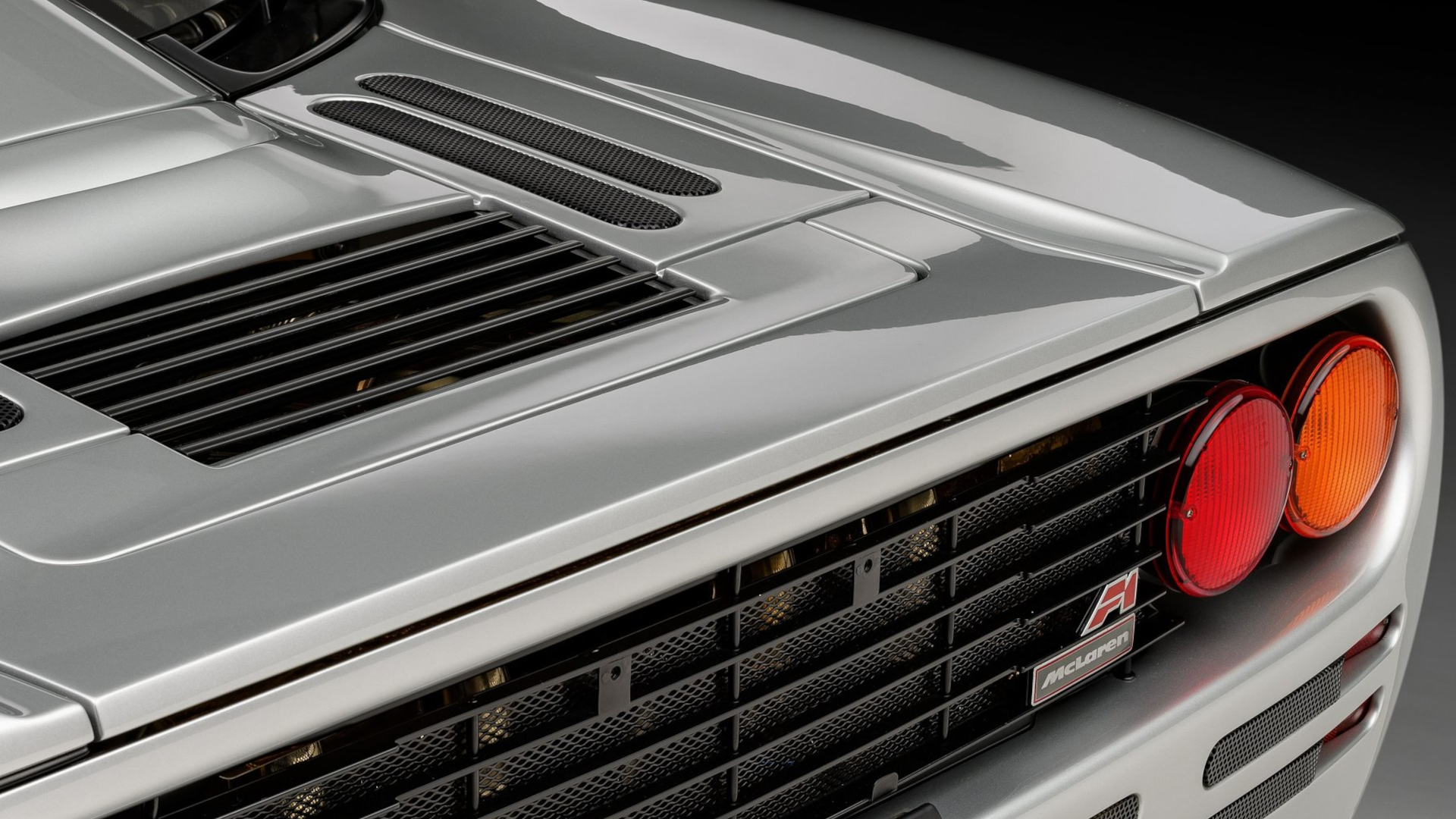
It is almost impossible to fathom how one of the world’s most iconic supercars could ever have struggled to find buyers, yet thanks to stratospheric pricing and an economic downturn, many cars were left unsold for years. The plan to produce 300 cars was soon abandoned, with 106 examples of both road and race-prepped cars eventually being made.
The stellar rise in popularity of the F1 over the past two decades has seen values rise to over $20 million, making this three-seater supercar one of the most valuable vehicles ever created.

Related
Lanzante Teases 3-Seat McLaren F1 Tribute, Because Speedtail And GMA T.50 Weren’t Enough Already
Strange name, big plans.
3
Pontiac Aztek
2001-2005
|
2001 Pontiac Aztek |
|
|---|---|
|
Engine |
3.4-liter V6 |
|
Power |
185 hp |
|
Torque |
210 lb-ft |
|
0-60 mph |
10 seconds est |
Quirky cars with oddball styling rarely become volume sellers, and the Pontiac Aztek was a case in point. Despite it being a perfectly competent vehicle, its hideous styling kept customers away, and sales were a fraction of GM’s 75,000-unit annual target required to make the project viable. Just 119,694 cars were sold in the US over eight years, making the Aztek a dismal failure that saw GM lose money on every car sold.
The Aztek’s appearance on TV, especially in the Breaking Bad series, gave it street cred with a younger audience, and it has since become a desirable cult classic because of its discordant design. Branding it an automotive icon may be a stretch too far, but it certainly turns heads, and is sure to become even more popular with age.
2
Porsche 928
1977-1995
|
1985 Porsche 928 S |
|
|---|---|
|
Engine |
5.0-liter V8 |
|
Power |
288 hp |
|
Torque |
302 lb-ft |
|
0-60 mph |
5.7 seconds est |
The model that was designed to replace the 911 was never going to have it easy, but the Porsche 928’s complexity and pricing made it a hard sell even to those who were ready to move on from their aging 911s. Early cars weren’t all that quick, thanks to a smog-choked V8 that developed just 219 hp in the US.
Porsche persisted with the design, refining it for almost 20 years, and turning the 928 into a serious grand tourer in the process. While it never managed to dethrone the 911, the 928 offers its own blend of performance and luxury that appeals to many collectors today. Clean examples are particularly desirable and those once futuristic looks have aged beautifully.

Related
A Brief History Of The Porsche 928
“It’s not a real Porsche.” Or is it?
1
Volkswagen Phaeton W12
2004-2006
|
2005 VW Phaeton W12 |
|
|---|---|
|
Engine |
6.0-liter Inline-4 |
|
Power |
444 hp |
|
Torque |
413 lb-ft |
|
0-60 mph |
6.1 seconds |
Not everybody is a badge snob, but when you’re buying a super-luxury sedan with a 12-cylinder engine, even the least brand-aware buyer will want something with a bit of style and swagger. Ferdinand Piech, chairman of the VW Group in the early 2000s clearly didn’t think this way. He envisaged a VW that would surpass its German rivals in performance and luxury, and that is how the VW Phaeton came to be.
While Piech was undoubtedly a gifted leader, the buying public did not see a VW as a credible alternative to an S-Class or 7 Series, even if it did have up to 444 hp and could cruise at its 155 mph limited top speed all day. Sales were dismal, and depreciation on the W12 models was astronomical. Values can still dip as low as $6,000 these days, but solid examples are worth a lot more, and those in the know revere the W12 Phaeton for its impressive engineering and seriously advanced tech for its time. Whether it will ever be a valuable future classic remains to be seen, but it certainly is a motoring icon that has yet to be fully appreciated.
Sources: Aston Martin, BMW, DeLorean, Ferrari, GM, Pontiac, McLaren, Jaguar, Porsche, Classic.com
link