Best Classic Car Insurance Companies of 2024

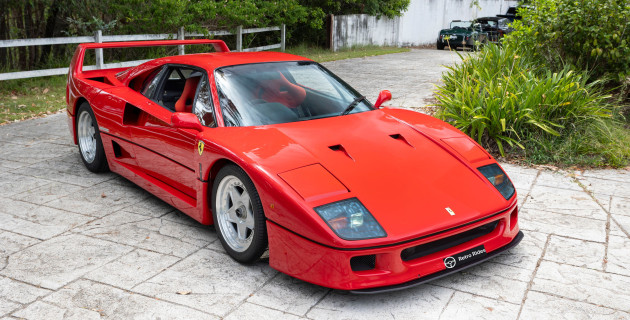
Insurance for a classic car is different from an everyday vehicle right off the lot. For one, coverage amounts for classic cars — typically ones at least 25 years old or rare collector’s items — are usually based on an agreed value basis, rather than an actual cash value that factors in depreciation.
There are also limits on how much you can drive them and requirements for storing them safely.
If you have a classic ride, a policy that protects the investment you’ve made is critical. We’ve selected the best insurance companies for these unique vehicles.
Best for availability: American Collectors
American Collectors Insurance
-
Cost
The best way to estimate your costs is to request a quote
-
Policy highlights
American Collectors Insurance offers affordable agreed-value insurance for collector cars. All policies offer the ability to use a repair shop of your choice and basic towing services. The brand also offers optional coverage for expanded towing and transportation services.
Pros
- Quotes available quickly with simplified underwriting
- Coverage includes $0 deductible glass coverage
- Coverage includes $250 for disaster relocation expenses per insured vehicle
- No membership fees
Cons
- Only available in 20 states
- Does not offer coverage for everyday cars
- Does not offer coverage for racing or timed events
Who’s this for? American Collectors Insurance insures collectors’ rides in all 50 U.S. states.
Standout benefits: American Collectors’ Freedom Tier allows up to 7,500 miles a year plus occasional general usage. It also reimburses up to $250 to relocate your car during a natural disaster.
[ Jump to more details ]
Best for restored vehicles: Hagerty
Hagerty Insurance
-
Cost
The best way to estimate your costs is to request a quote
-
Policy highlights
Hagerty offers coverage for a variety of vintage and collector vehicles, including motorcycles and boats in addition to cars. It offers coverage for vehicles that are in restoration or building, and can also cover up to $750 worth of tools for your project car.
Pros
- Available in all 50 U.S. states
- Wide variety of vehicles can be covered
- Allows for flexible usage of collector vehicles for pleasure
- Access to useful valuation tools
Cons
- Requires seperate HPDE and Track Day coverage for racing vehicles
- Does not consider drivers with serious infractions, including DUIs and excessive speeding violations
- Does not cover off-road or recreational vehicles
Who’s this for? If you provide evidence your vehicle is being constructed or restored, Hagerty will up the agreed value 10% each quarter, to a maximum increase of $25,000. The plan also comes with $750 worth of coverage for your automotive tools.
Standout benefit:
[ Jump to more details ]
Best for regular use: Safeco
Safeco Classic Car Insurance
-
Cost
The best way to estimate your costs is to request a quote
-
Policy highlights
Safeco offers a diminishing deductible option on its classic car insurance coverage, which can reduce your deductible up to $500 when you’re accident-free for five years. You can also add emergency assistance coverage for your classic car and personal property coverage for items damaged in a covered event. Safeco’s limited use coverage is a good fit if you drive your classic car less than 5,000 miles per year.
Pros
- Ability to bundle with traditional auto insurance for your daily driver, or motorcycles, boats, RVs or home insurance
- Diminishing deductible option available
- No membership fees
Cons
- Roadside assistance is an additional cost
- Emergency assistance (including things like spare parts coverage and travel expenses) is an additional optional cost
- Limited use rates capped at 5,000 miles per year
Who’s this for? Safeco’s regular-use option allows you to clock up to 10,000 miles a year.
Standout benefits: You can insure both your classic ride and your regular car with Safeco and enjoy a multi-policy discount and a diminishing deductible for both vehicles.
[ Jump to more details ]
Best for immediate coverage: Grundy
Grundy Insurance
-
Cost
The best way to estimate your costs is to request a quote
-
Policy highlights
Grundy offers classic car insurance for vehicles over 25 years old and any age for muscle and exotic cars. It doesn’t restrict mileage per year and can help with costs in a pinch like towing and trip interruption expenses.
Pros
- Also offers commercial insurance for restoration shops, museums and classic car dealers
- Also offers personal insurance, including classic boat coverage, personal umbrella policies and homeowners insurance
- Unlimited annual miles
Cons
- Requires locked garage storage
- Requires all drivers to be at least 25 years old
- Doesn’t offer automatic value increases
Who’s this for? Grundy offers automatic coverage for new acquisitions, which can protect your special ride while you’re working on adding it to your policy.
Standout benefits: Grundy doesn’t set annual mileage caps for classic cars. And, if you have a breakdown, your policy also includes up to $600 in trip interruption coverage and $250 for roadside assistance.
[ Jump to more details ]
Best for high-value vehicles: Chubb
Chubb Classic Car Insurance
-
Cost
The best way to estimate your costs is to request a quote
-
Policy highlights
Known for its coverage of high-value collections, Chubb can help owners cover their entire garage in one bill. It offers top-tier service for restoring or repairing vehicles, including coverage for OEM parts or fabricated parts. It doesn’t have a mileage limit for hobby use.
Pros
- Also offers homeowners, umbrella and other personal insurance
- Covers new vehicle purchases for first 90 days automatically
- Offers coverage for trailers
Cons
- Limits vehicle usage to hobby usage, including car shows, car club activities and parades
- May not be a fit for low-value cars
- Limits vehicles to those that are 30 years old, part of a larger collection or a limited production model
Who’s this for? Chubb focuses on top-tier insurance and its classic car policies are no exception. Chubb covers repairs with original equipment manufacturer (OEM) parts or it will pay for unique fabricated parts if the originals aren’t available.
Standout benefits: Drivers don’t need authorization to participate in non-competitive rallies or tours.
[ Jump to more details ]
More on our top classic car insurance companies
American Collectors
Nationwide availability: All 50 U.S. states and Washington, D.C.
Annual mileage allowance: 7,500 miles (plus occasional general usage)
Coverage for spare parts: $500
[ Return to summary ]
Hagerty
Headquartered in Traverse City, Michigan, Hagerty insures an array of restored vehicles, including campers, trailers, decommissioned military vehicles, motorcycles and boats. It also sponsors a drivers club with over 850,000 members and a marketplace for buying and selling classic vehicles.
Nationwide availability: All 50 U.S. states and Washington, D.C.
Annual mileage allowance: 7,500 miles
Coverage for spare parts: $750
[ Return to summary ]
Safeco
Nationwide availability: Safeco offers auto insurance nationwide except in Alaska, Delaware, Hawaii and Washington, D.C.
Annual mileage allowance: 5,000 (for limited-use rates), 10,000 (for regular-use rates)
Coverage for spare parts: Not included
[ Return to summary ]
Grundy
Nationwide availability: All 50 U.S. states
Annual mileage allowance: Unlimited
Coverage for spare parts: $500
[ Return to summary ]
Chubb
Founded in 1792 as a marine insurance company, Chubb has built a reputation for first-class coverage. Its classic car insurance can cover vehicles that are at least 30 years old, limited production models or that are part of a larger collection.
Nationwide availability: All 50 U.S. states
Annual mileage allowance: Unlimited (limited to hobby use)
Coverage for spare parts: $1,000
[ Return to summary ]
Classic car insurance mileage limit by company
Classic car insurance companies can be strict about how many miles you’re allowed to drive in a year.
| Company | Mileage allowance per year |
|---|---|
| Safeco | 5,000 miles (limited use), 10,000 (regular use) |
| American Collectors Insurance | 7,500 miles, plus occasional general usage |
| Hagerty | 7,500 miles |
| Grundy | Unlimited |
| Chubb | Unlimited for hobby use |
What makes a car a collector car?
There is no set definition of a classic car. According to the Insurance Information Institute, however, a vehicle worth more than its original selling price could be considered a candidate for classic car insurance.
This includes:
- Cars that are more than 25 years old
- Hot rods, muscle cars and modified vehicles
- Exotic and luxury cars
- Vintage military vehicles, antique tractors and classic trucks
- Classic motorcycles
- Some classic car replicas
What is agreed-value insurance?
Standard car insurance pays out based on the actual cash value of your vehicle, which accounts for depreciation.
Agreed value coverage, however, means that if your car is stolen or totaled in a covered event, you are paid the amount you and your insurer agreed to in advance. Most classic car insurance policies pay out on an agreed value basis.
What does classic car insurance cover?
Classic car insurance includes the same basic coverage as full coverage insurance, namely:
- Liability coverage: Pays for injuries or property damage caused by your vehicle.
- Collision coverage: Covers damages to your vehicle caused by a collision with another car or object
- Comprehensive coverage: Pays for repairs from damage to caused by a vehicle collision, like flooding, vandalism or hitting an animal.
The main difference is classic car insurance policies usually pay out on an agreed value basis, rather than deducting depreciation. Some companies offer cherished salvage coverage, which allows you to keep the car and still receive its guaranteed value if it’s deemed a total loss.
Some insurers also cover:
- Tools and spare parts
- Vehicles being restored or constructed
- Memorabilia
- Roadside assistance
- Emergency relocation
- Auto show medical reimbursement if someone is injured at an exhibition
A classic car policy may cover the increased cost of special towing needs and repair experts, which typically are not covered by a standard auto policy. All the insurers we selected let you choose your repair shop, so you have a specialist you trust working on it.
In addition, while standard auto insurance is limited to the U.S., your policy may cover the vehicle abroad if you’re traveling for a car show or other event.
What does classic car insurance not cover?
Classic car insurance typically won’t cover vehicles used for everyday purposes, like a regular commute, and most providers do not offer liability-only policies.
It also excludes coverage for vehicles that are not street-legal or that are used on racetracks or in timed events.
Who is eligible for classic car insurance coverage?
To get classic car insurance, your vehicle must meet certain qualifications:
- Age: The vehicle must typically be at least 25 years old.
- Condition: The car must be in good condition with proof of regular servicing
- Mileage: It varies by insurer, but vehicles must typically not be driven more than 7,500 miles annually
- Storage: The car must be kept in a locked garage that can protect it from both theft and the elements.
There are also guidelines for drivers looking for classic car insurance.
- Age: The primary policyholder should be at least 25 years old
- Driving record: you should have a clean record for the last five years, with no at-fault accidents or serious violations.
- Alternate vehicle: The car must not be the owner’s primary vehicle
How much does classic car insurance cost?
Because they’re driven much less, classic cars are typically 40% to 50% cheaper to insure than standard daily-use vehicles. According to Car and Driver, the typical classic car insurance policy costs between $200 and $600 a year.
Your individual rates will depend on the value of your car, your driving record and other factors.
How to save on classic car insurance
While classic car insurance is cheaper than a traditional policy, there are still ways to save more.
- Bundle your policies: Insuring your everyday vehicle and your classic car with the same company can earn you a discount with many providers. Companies like Chubb and Safeco also offer homeowners insurance and other types of coverage.
- Have a clean driving record: As with traditional car insurance, not having accidents or other violations will help keep your rates lower.
- Discounts: Some insurers offer rate reductions for car clubs and other associations.
- Lower-mileage rate: Some insurers will offer lower rates for those who drive their vehicles less.
- Raise your deductible: If your classic car insurance policy has a deductible, raising that can lower your premium. However, it does mean that you’ll owe more out of pocket if you are involved in an accident, so be sure it’s affordable.
Pros and cons of classic car insurance
Pros
- May be cheaper than traditional car insurance
- Covers hard-to-find tools and parts, expert repair and specialized towing
- You receive the agreed-upon replacement value rather than actual cash value if the vehicle is totaled or stolen
Cons
- Insurers may limit coverage based on a car’s age and condition
- Stricter limits on mileage and usage
- Drivers under 25 or with violations may not be eligible for coverage.
- Continued coverage may require regular inspections
FAQs
Is classic car insurance cheaper?
Since collectible vehicles are driven much less frequently, classic car insurance is usually much cheaper than standard auto insurance — as much as 40% to 50% cheaper. According to Car and Driver, the typical classic car insurance policy costs between $200 and $600 a year.
What insurance is best for old cars?
When deciding on insurance for an antique car, you should consider a company’s rates, coverage options and years of experience. We’ve determined Hagerty, American Collectors, Grundy, Chubb and Safeco are among the best insurance companies for valuable older vehicles.
What are the limits on classic car insurance?
Many insurers cap on how many miles you can drive a classic car and where you can use it, usually to approved hobby activities and car shows. Additionally, owners may have to meet age and driving record requirements.
How many miles can you drive a classic car per year?
How much an insurance company lets you drive a classic car varies greatly. Many cap mileage at 7,500 miles annually, but some companies do not have set limits.
Can you insure a classic car that you use as a daily driver?
Typically, you can’t insure a classic car you intend to use as your regular vehicle or daily driver. Safeco’s regular-use option allows you to clock up to 10,000 miles a year.
Does Liberty Mutual have classic car insurance?
Insurance for classic or antique cars is offered by Liberty Mutual through its subsidiary Safeco, one of our top picks in the field.
What year vehicle needs classic car insurance?
Typically, automobiles that are at least 25 years old and owned solely as a collector’s item (not for everyday use), are good candidates for classic car insurance.
Subscribe to the CNBC Select Newsletter!
Money matters — so make the most of it. Get expert tips, strategies, news and everything else you need to maximize your money, right to your inbox. Sign up here.
Why trust CNBC Select?
At CNBC Select, our mission is to provide our readers with high-quality service journalism and comprehensive consumer advice so they can make informed decisions with their money. Every insurance review is based on rigorous reporting by our team of expert writers and editors with extensive knowledge of insurance products. To research the best insurance companies, we compiled over 100 data points on more than a dozen insurance companies. While CNBC Select earns a commission from affiliate partners on many offers and links, we create all our content without input from our commercial team or any outside third parties, and we pride ourselves on our journalistic standards and ethics.
Our methodology
To determine the best insurance for classic cars, CNBC Select analyzed numerous companies that offer this type of coverage and compared them based on rates, availability, features, usage limitations and customer service.
We incorporated data from J.D. Power, the National Association of Insurance Commissioners and the Better Business Bureau.
We also considered CNBC Select audience data when available, such as general demographics and engagement with our content and tools.
From there, we sorted our recommendations by the best for availability, regular use, immediate coverage, restored vehicles and high-value vehicles.
Premiums and policy structures for classic car insurance are subject to change based on company policy.
Catch up on CNBC Select’s in-depth coverage of credit cards, banking and money, and follow us on TikTok, Facebook, Instagram and Twitter to stay up to date.
Editorial Note: Opinions, analyses, reviews or recommendations expressed in this article are those of the Select editorial staff’s alone, and have not been reviewed, approved or otherwise endorsed by any third party.
link