


This time last year, I reported that the U.K. classic car market had a crisis of confidence. A huge amount has changed in the world in the past 12 months, but that isn’t one of them. People don’t know what the future holds, and that means they’re being careful with their money. Purchasing classic and collector cars has slipped down many priority lists.
That’s not to say the markets, hobbies and industries built around collector cars are dead. Far from it; enthusiasm for cars, shows and motoring experiences is still booming, but the speed at which many sales complete has definitely slowed. Some cars still find buyers very easily. The very best ones, of almost every era and type, still tend to sell very well. Anything with stories or major needs, on the other hand, is taking longer.
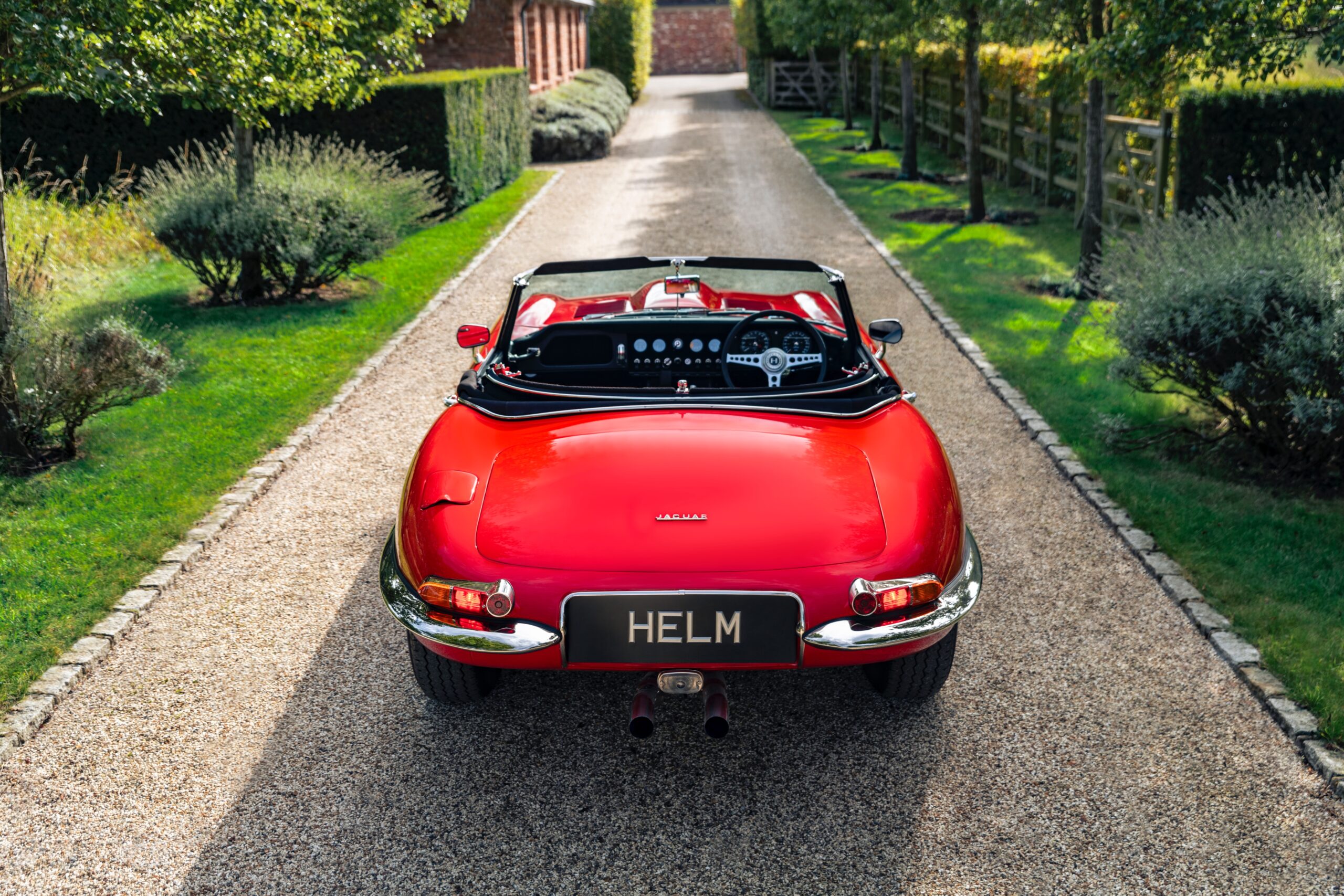
There are other themes that seem to cut across all price points, and again they are a continuation of what was happening in 2024. Cars from the immediate postwar years are struggling, with the U.K. Hagerty Price Guide showing a mean 9% drop in the year to September 2025 for cars first manufactured in the 1950s, and the Best of British Index, which tracks many 1950s and 1960s British cars, dropped 6%, the most of any U.K. Hagerty index. It now sits the lowest in percentage terms, the average value just over 80% of what it was in 2018. Some models once in huge demand have continued a downward descent: The condition #2 (excellent) value of a Jaguar E-Type (XKE) SI OTS (flat floor) is £69,700, down from a peak 10 years ago of £204,000 for the same car.
More modern collector cars are doing better. In the past year, models first produced in the 2000s increased by a mean 3%. This was the only decade of manufacture to show growth. The Hot Hatch Index, tracking the U.K. prices of performance hatchbacks, was the only U.K. Hagerty index to show growth, up 5% over the period.
Some of this comes down to demographics, with Gen X powering the market in the U.K. as much as it does in the U.S., but there are specific British factors at work, too. The recent Bonhams Goodwood Revival auction result of 13th September 2025 demonstrates this. Over the past six sales, the average combined sales at this leading annual U.K. event are down 33% compared with the preceding six and this year’s total of £5.02M was the lowest since 2016. For the partner auction, the Bonhams Goodwood Festival of Speed sale, the difference is even more marked, down 60% over the same period, the earlier sales marked by a number of very significant cars including the 2013 world auction record ex-Fangio Mercedes-Benz W196 for £19.6M and in 2018, the Aston Martin DB4GT Zagato ‘2VEV’, then the most valuable British car ever consigned to auction.
Since then, it seems that Goodwood hasn’t attracted the really big cars, even as some auctions in the E.U. have. Before Brexit, that didn’t matter so much, as buyers there could purchase in the U.K. with no export costs, but now if you’re selling a major collector car, many choose to sell in the two global markets where the majority of the money sits: the U.S. and E.U.
So, what is the outlook? Grassroots motoring is likely to continue thriving. Price drops may adversely affect owners who bought at the top of the market, but they offer opportunities for others and tempting bargains are now there to be had. Plus, the classic and collector car world offers two elements that it always has: a sense of community and escape from the day-to-day. In our complicated world, these two things are more important than ever.
link