


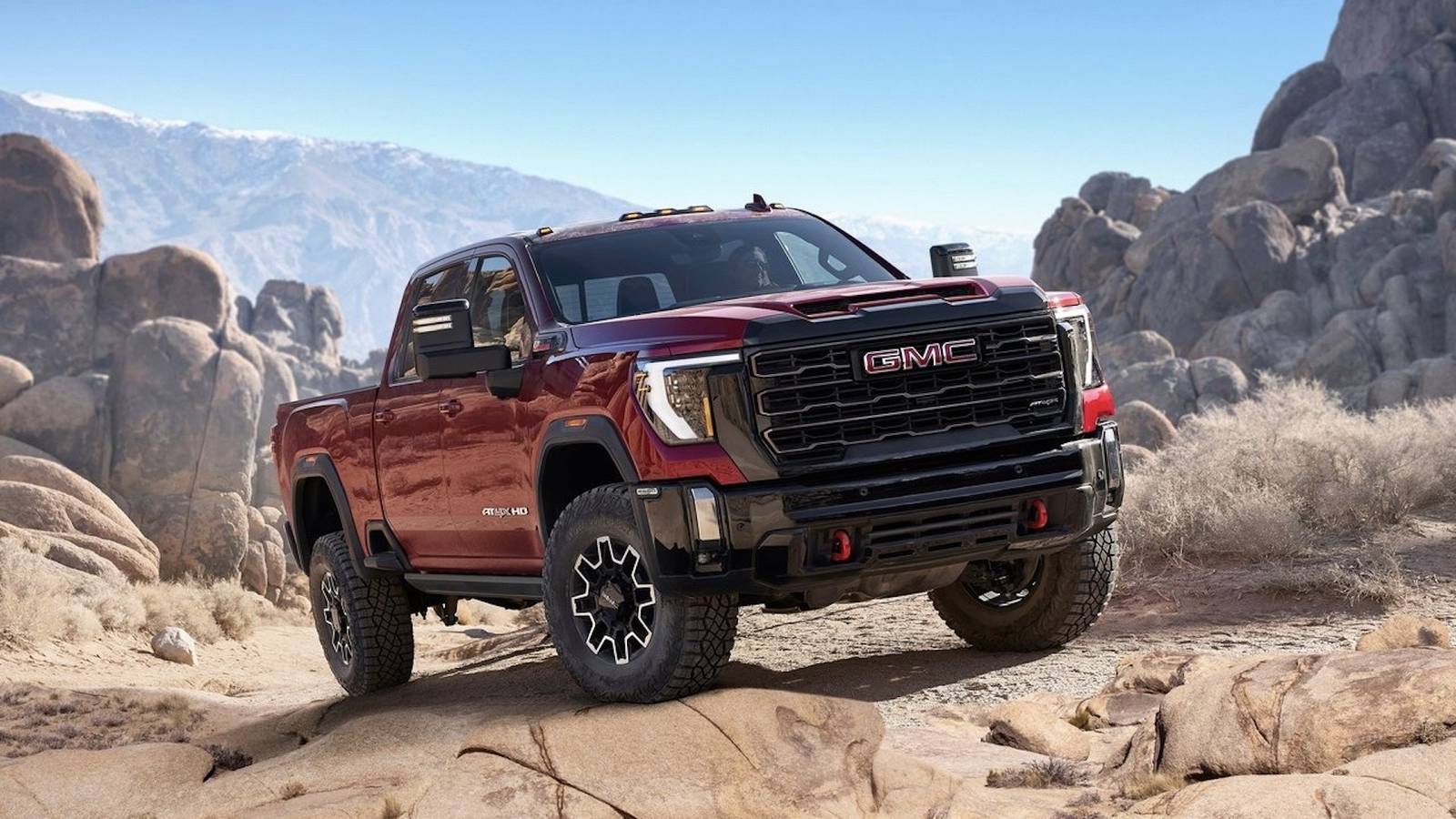
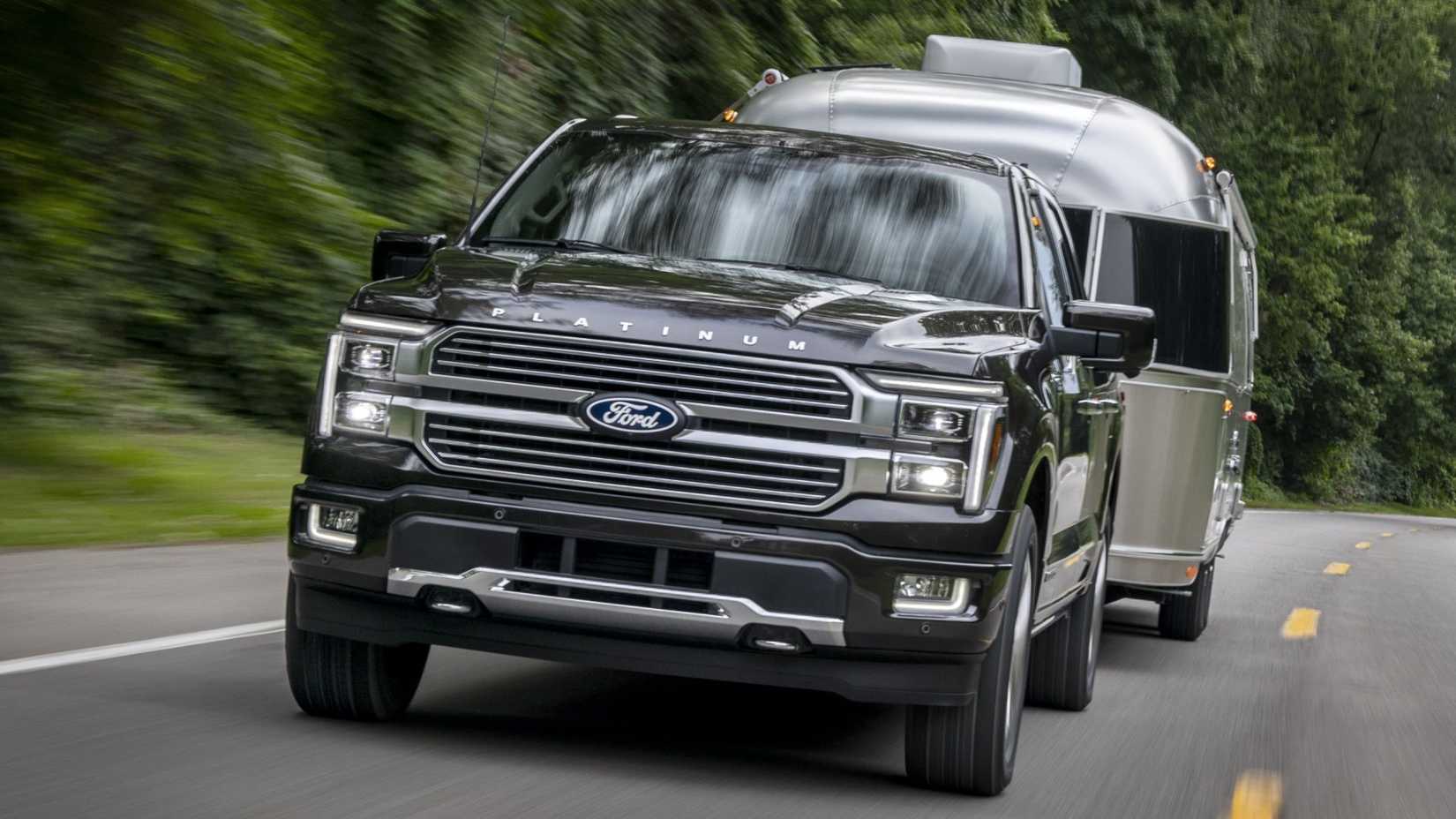
Cars have gotten expensive. The average new car transaction price now rounds up to $50,000. Pickup trucks have driven much of that increase, with the average full-size truck transaction price now approaching $65,000. Five of eight Ford F-150 trims now start north of $65,000 with mandatory fees factored in. These high prices have a multitude of downstream effects, including increasing the cost of used cars and causing buyers to keep their vehicles for significantly longer periods. But the main one may be buyers taking on an extraordinary amount of debt.
Americans Now Have A Staggering Amount Of Automotive Debt

According to a new study from the Consumer Federation of America, Americans now collectively owe $1.66 trillion in automotive debt. That makes it the largest category of consumer debt besides mortgages. So, Americans now owe more money on cars than they do on credit cards or student loans.
In a development that may not come as a surprise, Americans are struggling to repay those loans. According to the study, more than eight percent of loans are in “severely delinquent debt,” with payments more than 90 days overdue. The default rate on car loans has risen above 3% for the first time since 2011. The number of repossessions is the highest since 2009, having increased by 43% between 2022 and 2024.
How Much Americans Are Paying For Cars Monthly


Americans are paying more for their cars monthly than one would anticipate. The study notes that the typical monthly payment on a car loan is now $745. Approximately 20 percent of car loans now require buyers to pay more than $1,000 per month. And those figures come with nearly 20 percent of buyers opting for seven-year financing to keep monthly costs down. Some manufacturers have brought back eight-year financing deals. Ram recently extended its warranty to 10 years or 100,000 miles to account for the high percentage of buyers opting for extended financing deals.
Why Americans Owe So Much Money On Their Cars

New car prices have hit record highs. COVID caused a massive inflationary spike that increased car prices by more than 21% between 2019 and 2025. The Fed raised interest rates to combat that inflation, which increases the cost of borrowing. Buyers are opting for lengthy financing agreements to reduce their monthly costs, which ultimately means paying more in interest over the long term.
And Things Aren’t Likely To Improve Anytime Soon

Car prices should continue to rise. The Budget Lab at Yale expects prices for motor vehicles and parts to rise 12.0% in the short term and 7.0% in the long run due to the 2025 Trump Administration tariffs. The Trump Administration also eliminated the $7,500 federal tax credit applicable to some electric vehicles and plug-in hybrids. And the benefits from the new tax deduction for automotive loan interest will be minimal.
The study also notes that, under changed policies during the Trump administration, both the Federal Trade Commission and Consumer Financial Protection Bureau have dramatically cut back regulatory enforcement of banks and third-party lenders. Per the study, the CFPB has dropped 99% of matters requiring its attention. The FTC declined to appeal a ruling that struck down the Combating Auto Retail Scams Trade Regulation Rule (CARS rule), which protected against exploitative car loan practices.
Sources: Consumer Federation of America, Automotive News, S&P Global, in2013dollars.com, The Budget Lab, Consumer Financial Services Law Monitor
link